Transdisciplinary
studio
Arco do Teles,
Praça XV
de Novembro, 34
Rio de Janeiro
Gallery
The house’s showing room
The Gallery is the Arco’s front door, and what goes up on the wall comes from the work happening in the next room. This is where studio process becomes exhibited work, with a focus on multimedia, audiovisual and immersive experience.
It is not a commercial gallery, it is a showing room: whoever exhibits here enters a house that also teaches, hosts and produces, and leaves having crossed paths with people who work in another language.
Now showing
Habitar Arco: diálogos transdisciplinares
- Artists
- Chiko
- Guilherme “Bill”
- Luis Bellas
- Curator
- Peralta
- Exhibition design
- Lorena Peña
- Graphic direction
- Ívanno José
- Hours
- 10am to 6pm, by appointment
- Opening
- 12 September
- Closing
- 27 September, with the talk
- “Habitar Arco”, with Peralta
- Admission
- Free
Curatorial text: Peralta
In 1970, during the International Seminar on Pluridisciplinarity and Interdisciplinarity in Universities, Jean Piaget proposed thinking of transdisciplinarity as a stage in which the relationships between different fields of knowledge would go beyond their borders, forming a system with no stable disciplinary limits. The Arco is built from that perspective: a studio where painting, audiovisual, photography and design meet as practices open to contamination, exchange and transformation. Here, dialogue between the artists does not happen only by bringing different languages close together, but through the way each body of research interferes with the other, shifting procedures, questions and ways of looking. Habitar Arco: Diálogos Transdisciplinares grows out of this process of living together and shared inquiry, in which one artist’s practice also becomes material for another’s research.
Chiko develops his research from drawing and from an extensive study of anatomy, observation and the forms found in nature. The artist defines part of this path as a “pictorial paleontology”, an inquiry born from observing the dead bodies of animals, bones, plants and other natural structures as a visual vocabulary for painting. Death, in this process, does not appear as a theme but as a matter of observation: form, colour, texture, structure. In his works, veins may come close to roots, joints to trunks, hair to vines, body hair to grass and skin to rock, drawing relationships between the human body and what exists before, around and beyond it. The anatomical distortion present in his work also relates to the contemporary experience of dissociation between body and mind and to the contrast between urban expansion and the resistance of nature. The materials the artist uses also connect to the aims of his research: beyond traditional painting supports such as canvas and paper, Chiko unsettles the usual role of materials by choosing leftovers and discards as the base of his work, using reclaimed wood, burnt window film and torn packaging paper. His practice starts from looking as a research tool and finds in painting an instrument of revelation: observing, drawing closer, breaking down and reorganizing forms to make visible relationships that often remain hidden.
Guilherme “Bill” develops his photographic research by observing bodies in situations of intense collective experience. In his series Entre Fé e Festa (Between Faith and Feast), made across the carnivals of Rio de Janeiro and Pernambuco, the artist follows moments in which celebration, faith and belonging blend together, recording bodies that dance, pray, vibrate, wait and give themselves over to shared experience. His inquiry extends to the stands and the streets, following Botafogo’s supporters in his series E ninguém cala (And No One Falls Silent), finding in football similar expressions of devotion, euphoria and hope. Between the sacred and the profane, Guilherme sees that carnival and the terraces stir close emotions: the burst of joy, the body in motion, the silence of expectation, prayer and faith before something that cannot be fully controlled. Photography then appears as a way of drawing close to these experiences, seeking to preserve the intensity of these encounters and the relationships formed between bodies. His practice helps us think of the image as a space for observing collective behaviour, making the body a meeting point between different forms of celebration, belief and belonging.
Luis Bellas builds his research from an intimate relationship with matter and with the tension between control and unpredictability. In his work with India ink, technical command of the brushstroke coexists with the autonomy of the ink, which spreads across wet paper, creating stains, drifts and forms that cannot be fully foreseen. Luis brings this “desire” of the material into his own gesture, following its movements and finding solutions in what happens during the process. The palette, which starts from variations of red and black and reaches gold, also comes from this inquiry: at certain moments the artist heats the material to produce a metallic appearance, making matter itself an active element in building the image. His training in industrial design and his experience with graphic design, product, fashion, art direction and costume extend this research beyond painting on paper. In the exhibition, this path expands into an immersive experience that fills an entire room, bringing together video performance and an environment in which fashion, sustainability and design come together. Between technique and chance, two dimensions and space, Luis turns the limits of materials into possibilities for creation and makes the present the place where new realities can emerge.
To inhabit a space is also to let it transform us. The Arco takes shape precisely in this place of encounter, where different practices stop existing in isolation and begin to build relationships through living together. The research of Chiko, Guilherme “Bill” and Luis Bellas starts from distinct interests: the body, nature, matter, celebration, faith, the image and the gesture. But they find in the studio a common space where these questions can be shared, strained and reworked. Habitar Arco: Diálogos Transdisciplinares therefore presents part of this path: three artists who, by sharing a space of creation, also share ways of looking, questions and discoveries. The exhibition makes this process of exchange visible, understanding artistic practice as something built through contact, something that can be transformed when we allow ourselves to look from the place of the other.
Peralta, curator
The works
open each work to see its details
Nineteen works, in the order they hang on the wall.
-
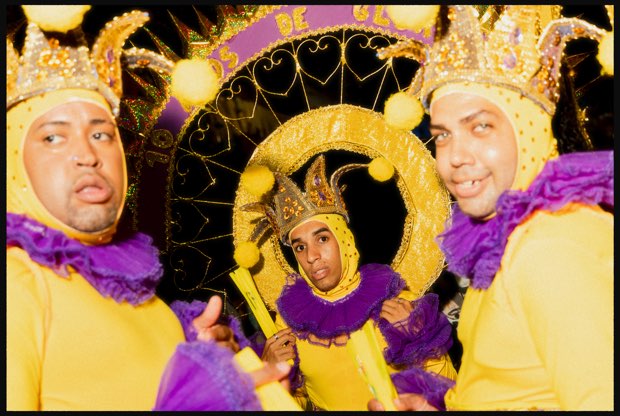
Bill glamour 2023 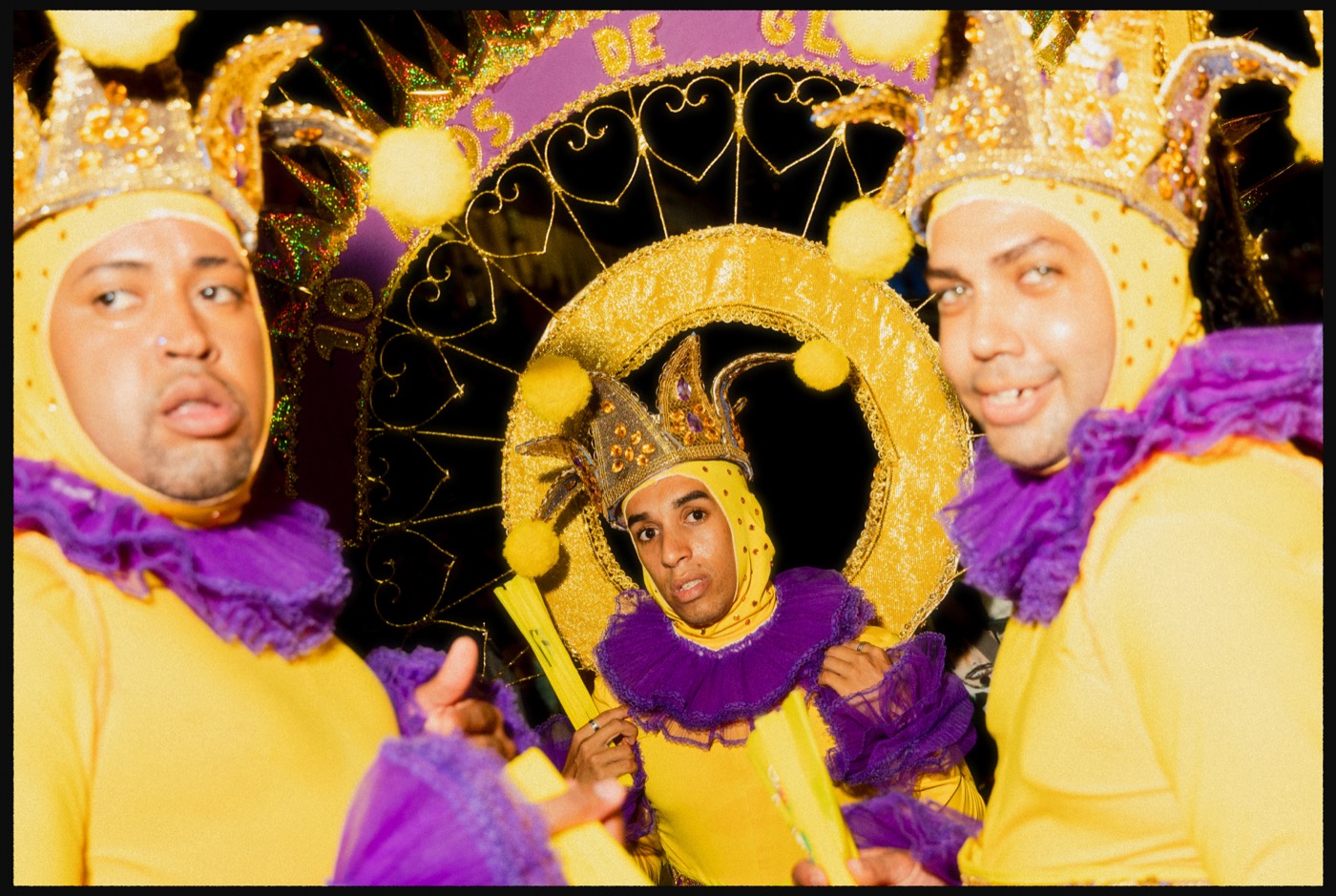
glamour
- Title in English
- glamour
- Artist
- Bill
- Series
- entre fé e festa (between faith and feast)
- Medium
- Digital photograph
on Hahnemühle Baryta Satin - Dimensions
- 90 × 60 cm
- Where and when
- Olinda, 2023
- Frame
- Thin dark aluminium profile
-
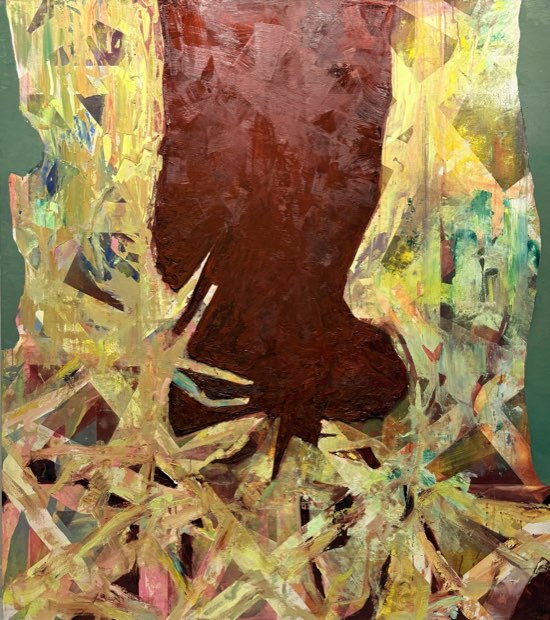
Chiko Sem título 2026 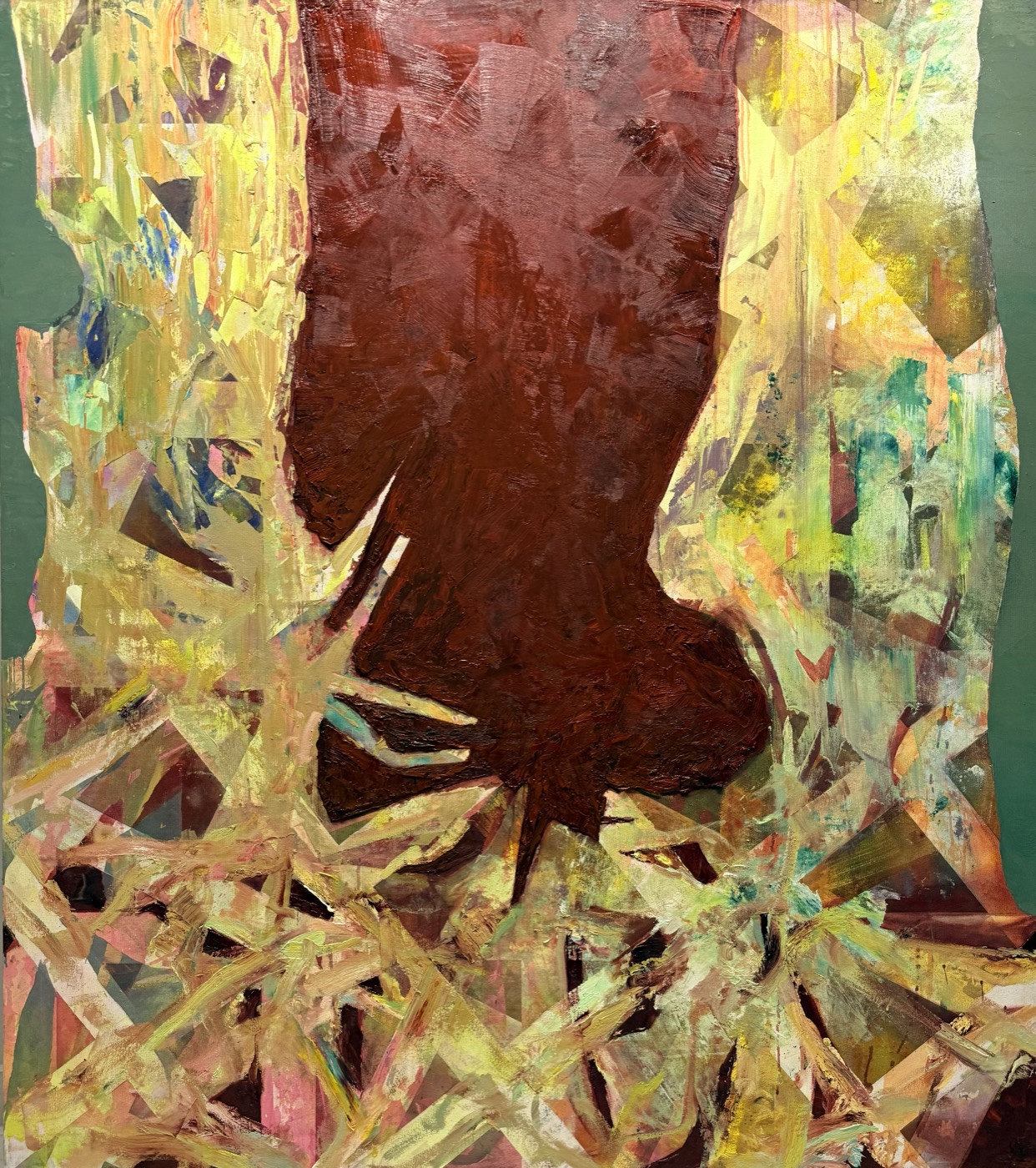
Sem título
- Title in English
- Untitled
- Artist
- Chiko
- Medium
- Mixed media
- Dimensions
- 180 × 160 cm
- Year
- 2026
-
Luis rituais de presença I 2026 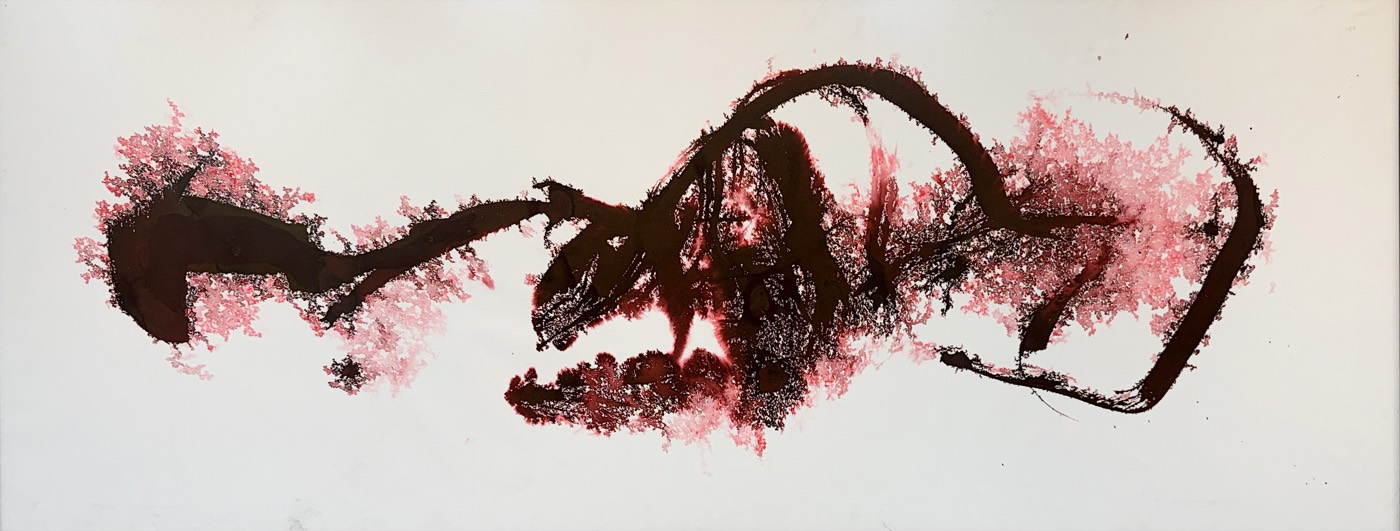
rituais de presença I
- Title in English
- rituals of presence I
- Artist
- Luis
- Medium
- India ink on paper
- Dimensions
- 150 × 60 cm
- Year
- 2026
-
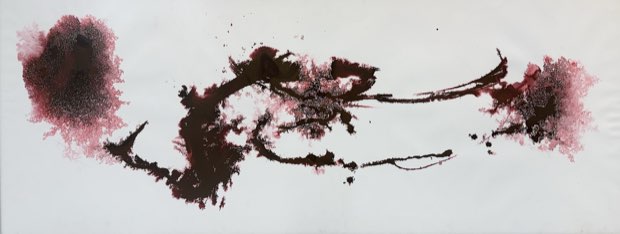
Luis rituais de presença II 2026 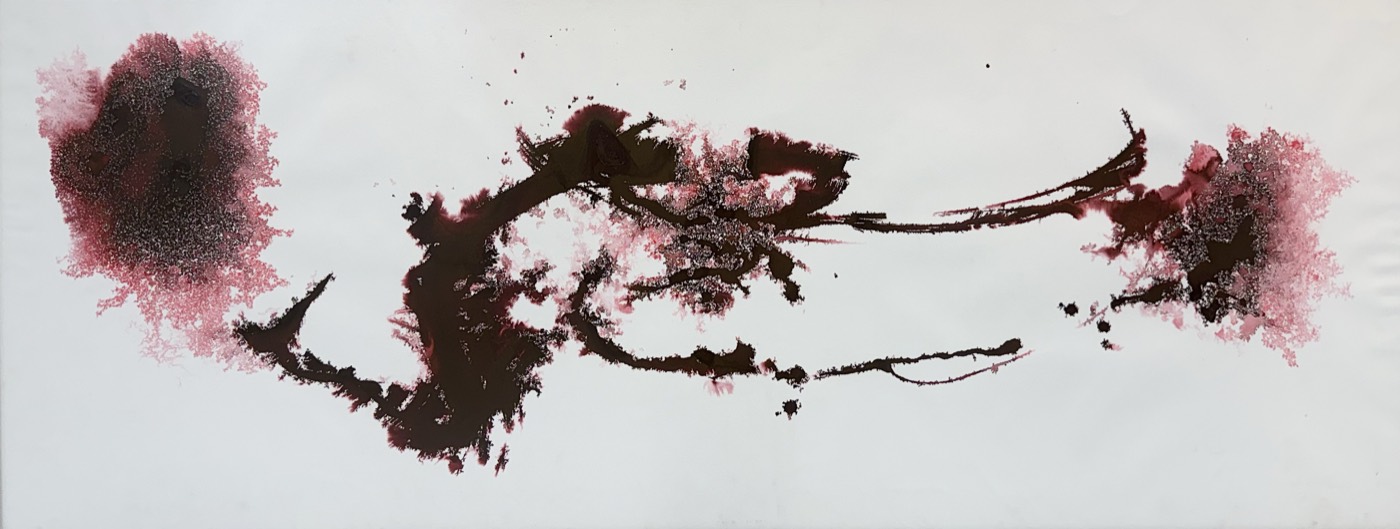
rituais de presença II
- Title in English
- rituals of presence II
- Artist
- Luis
- Medium
- India ink on paper
- Dimensions
- 150 × 60 cm
- Year
- 2026
-
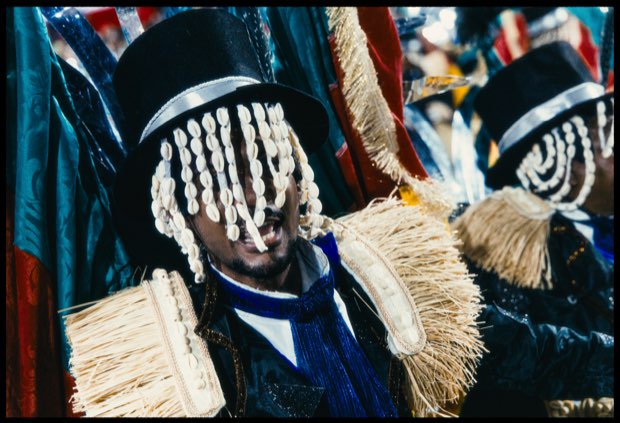
Bill sem título 2 2026 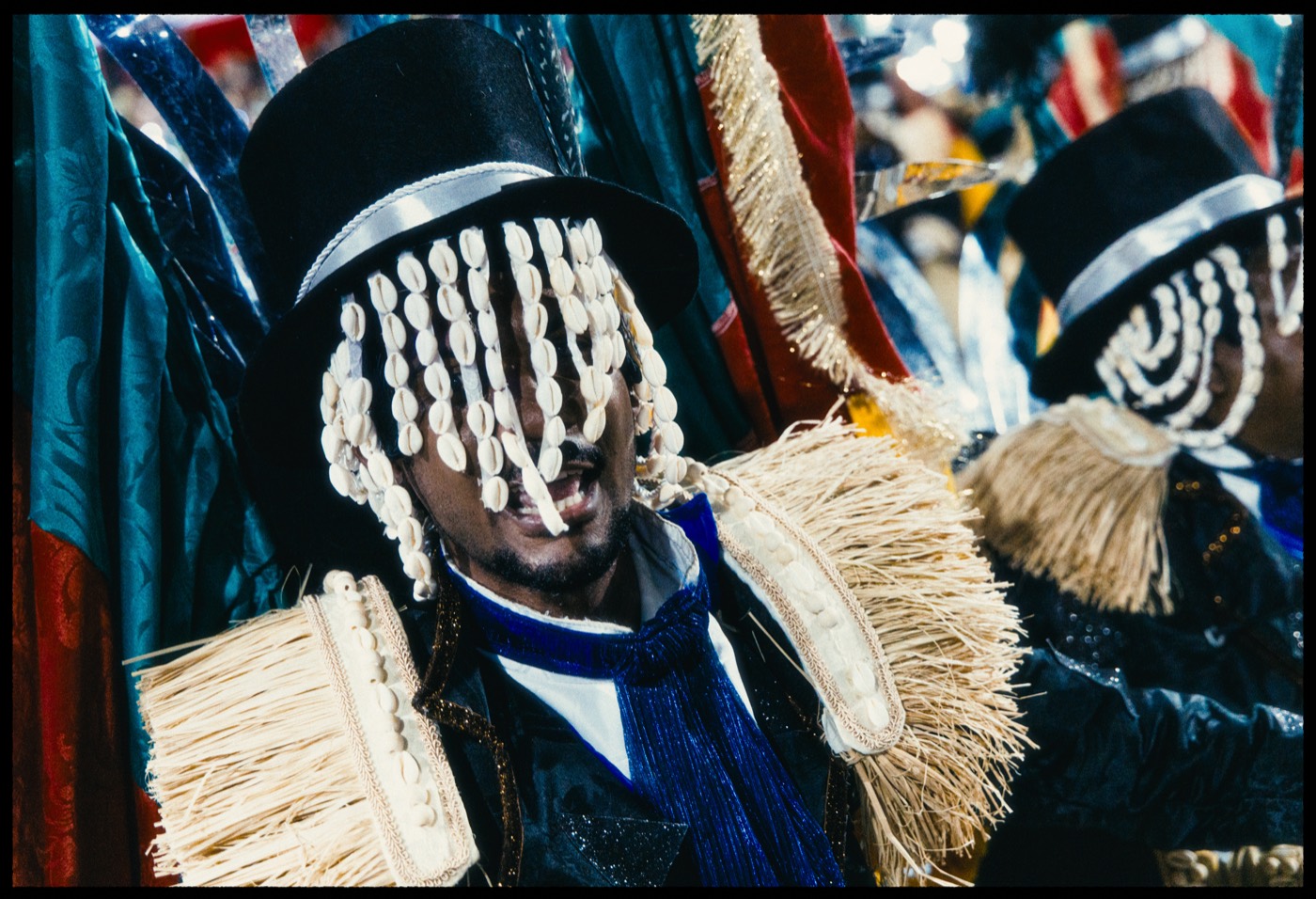
sem título 2
- Title in English
- untitled 2
- Artist
- Bill
- Series
- entre fé e festa (between faith and feast)
- Medium
- Digital photograph
on Hahnemühle Photo Rag Pearl - Dimensions
- 60 × 45 cm
- Where and when
- Marquês de Sapucaí, 2026
- Frame
- Thin dark aluminium profile
-
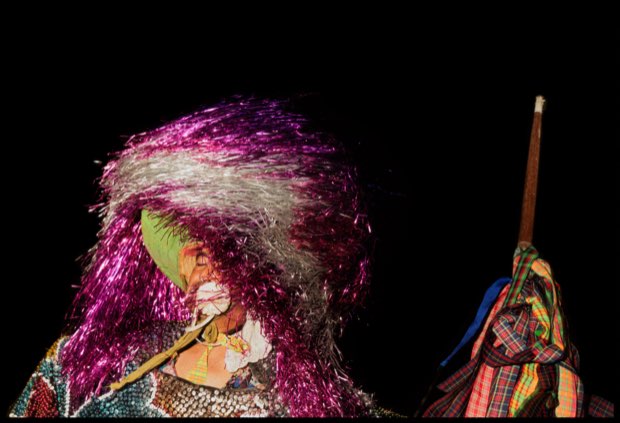
Bill valente e não se rende 2023 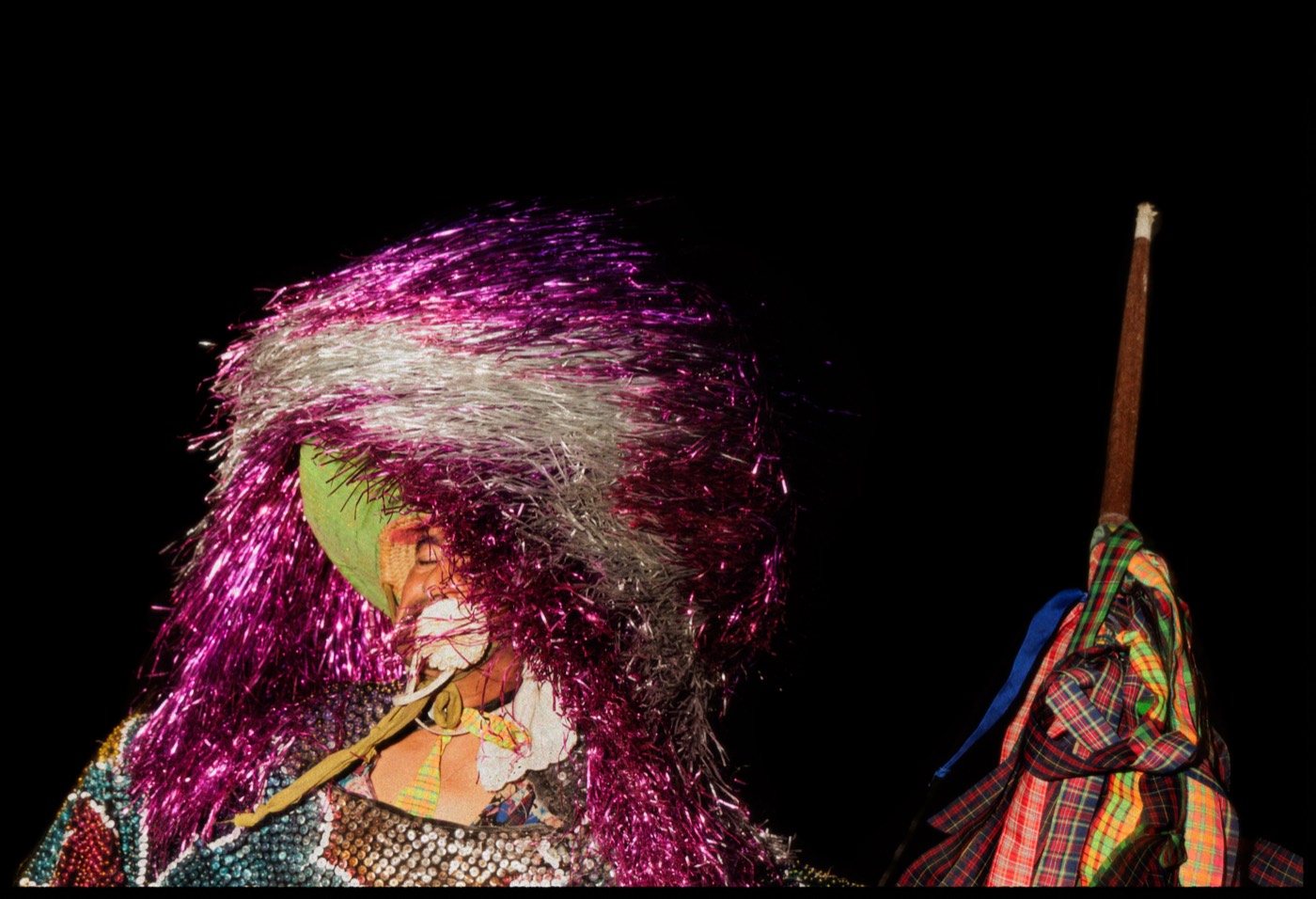
valente e não se rende
- Title in English
- brave and does not surrender
- Artist
- Bill
- Series
- entre fé e festa (between faith and feast)
- Medium
- Analogue photograph
on Hahnemühle Baryta Satin - Dimensions
- 60 × 45 cm
- Where and when
- Olinda, 2023
- Frame
- Thin dark aluminium profile
-
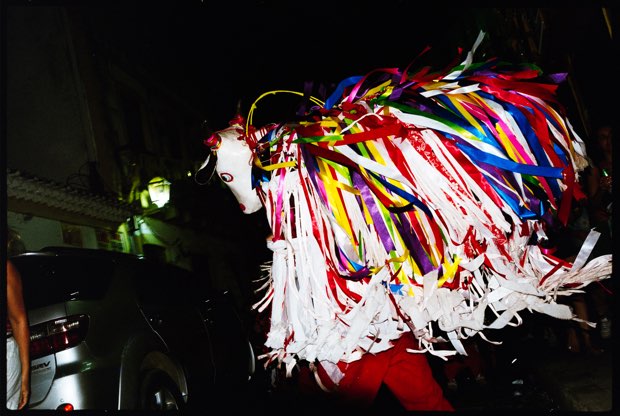
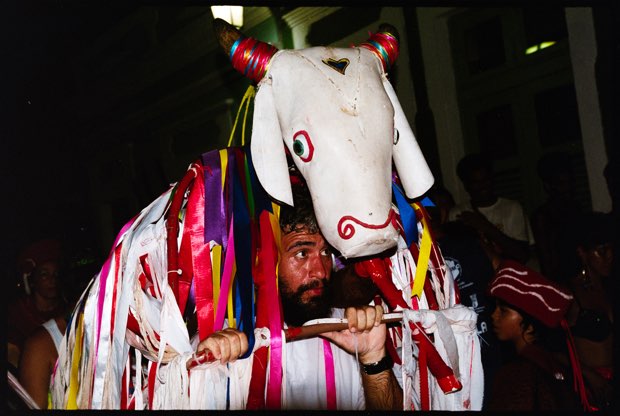
Bill o que tem dentro do boi? 2024 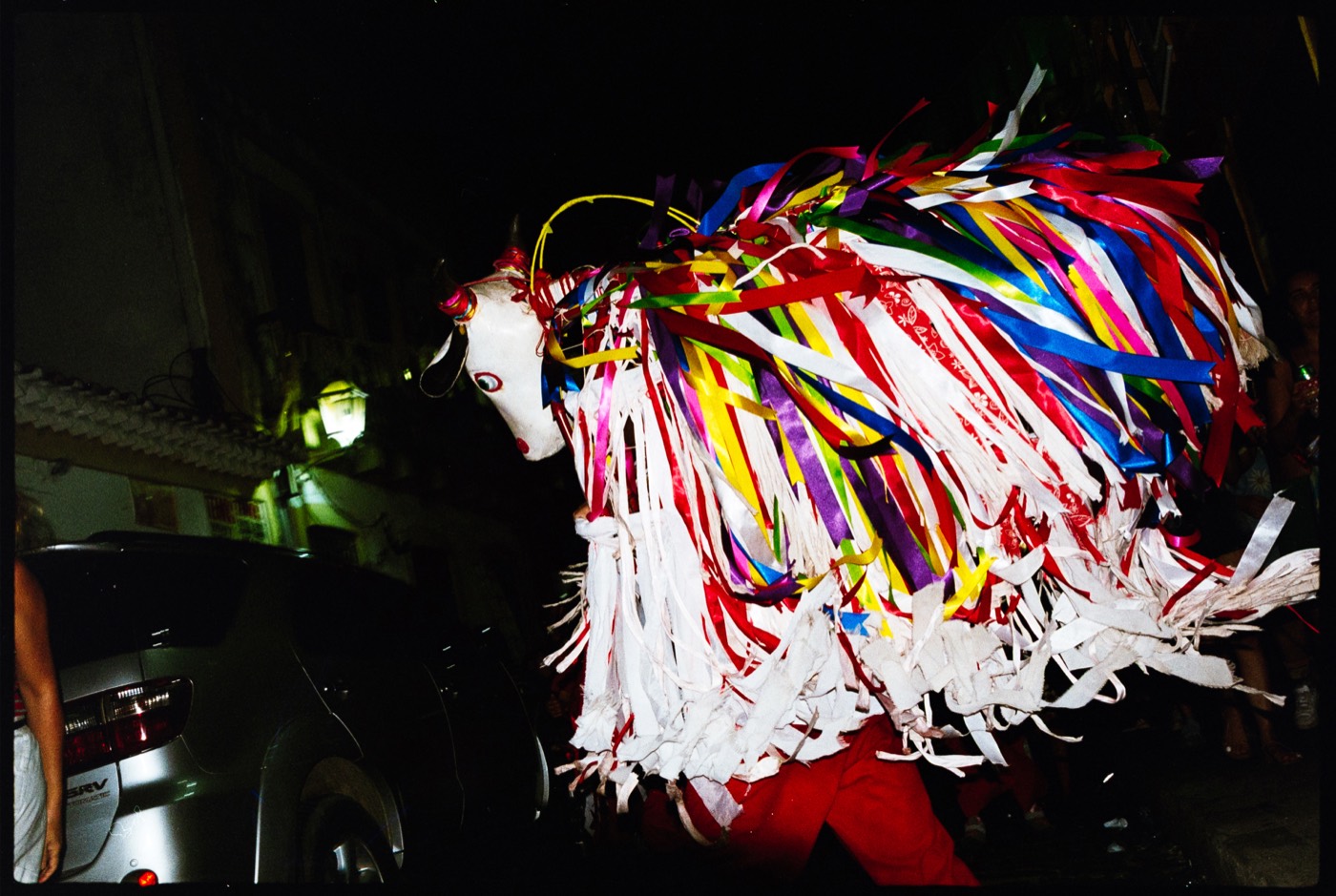
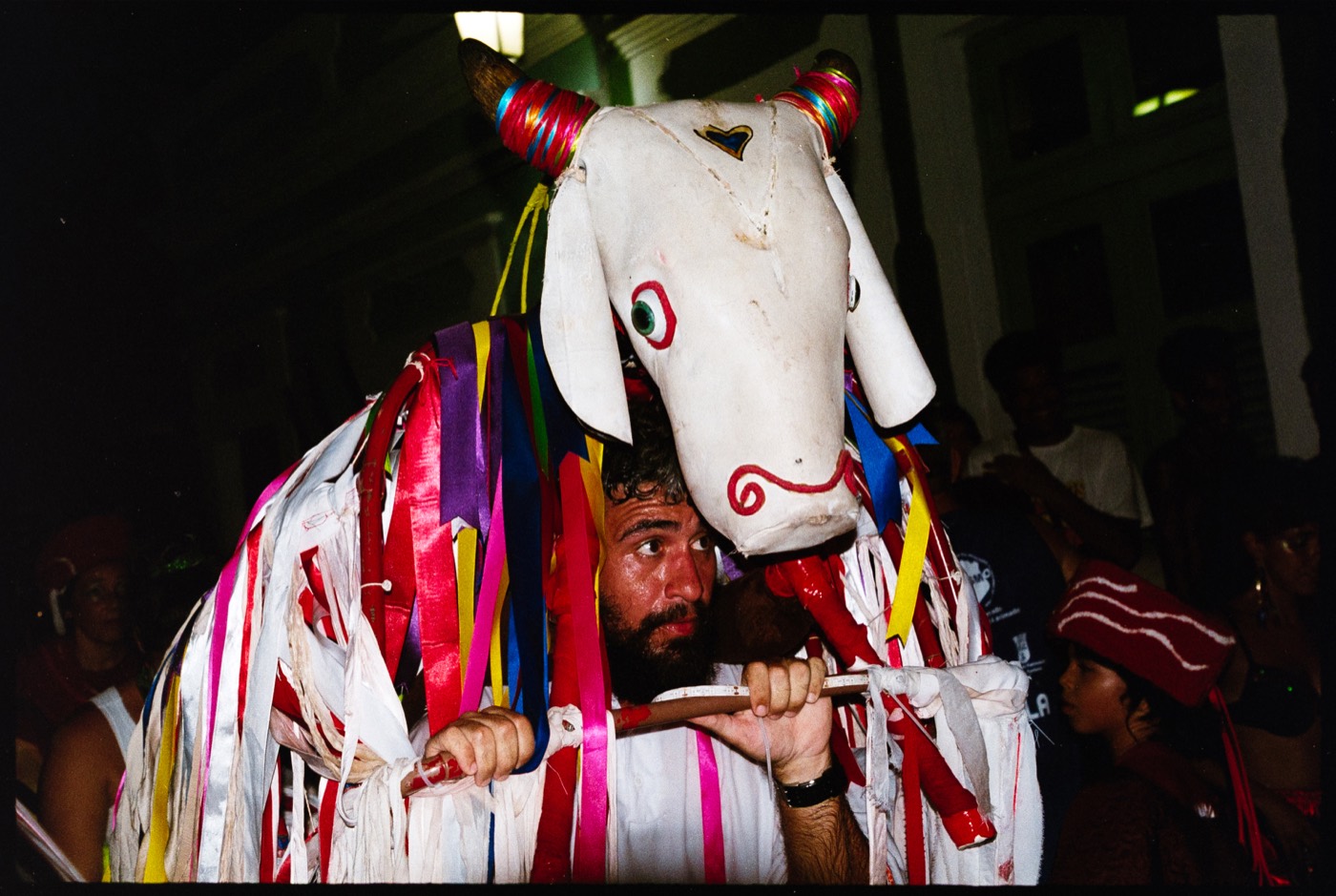
o que tem dentro do boi?
- Title in English
- what is inside the ox?
- Artist
- Bill
- Series
- entre fé e festa (between faith and feast)
- Medium
- Analogue photograph
on Hahnemühle Baryta Satin - Dimensions
- Diptych, two prints of 90 × 60 cm
- Where and when
- Olinda, 2024
- Frame
- Thin aluminium profile
-
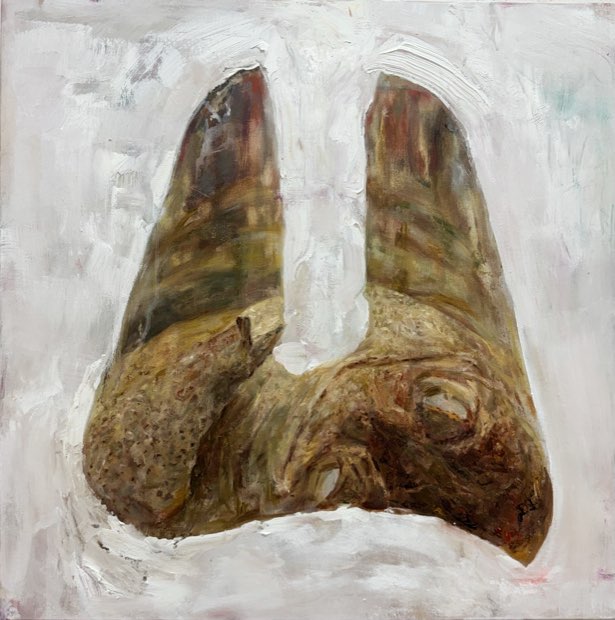
Chiko em conserva 1 2026 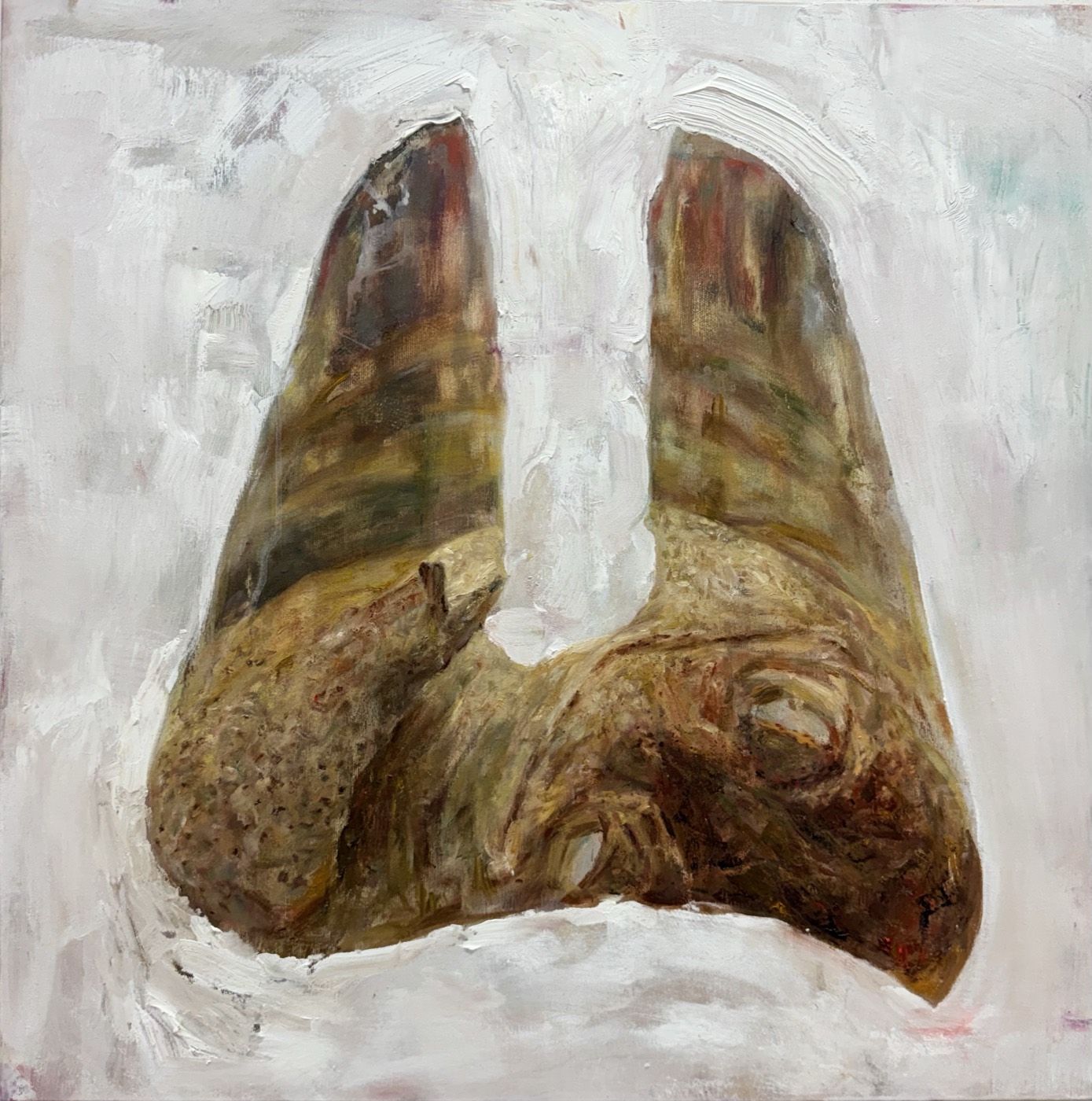
em conserva 1
- Title in English
- preserved 1
- Artist
- Chiko
- Medium
- Oil on canvas
- Dimensions
- 60 × 60 cm
- Year
- 2026
-
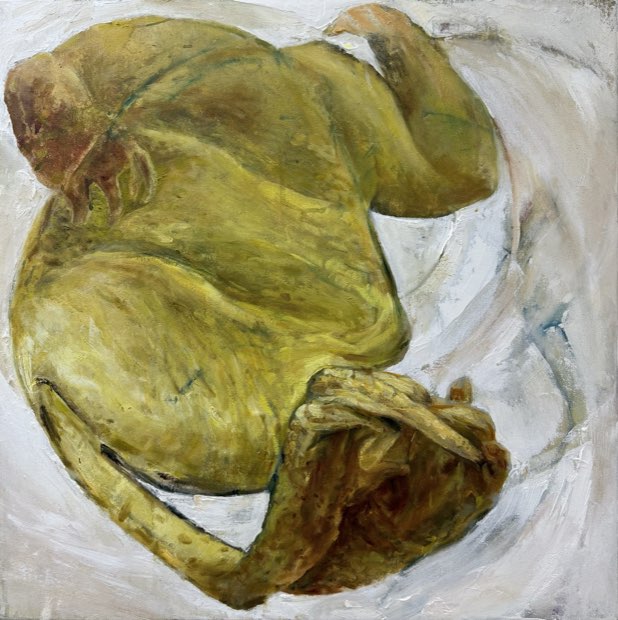
Chiko em conserva - 2 2026 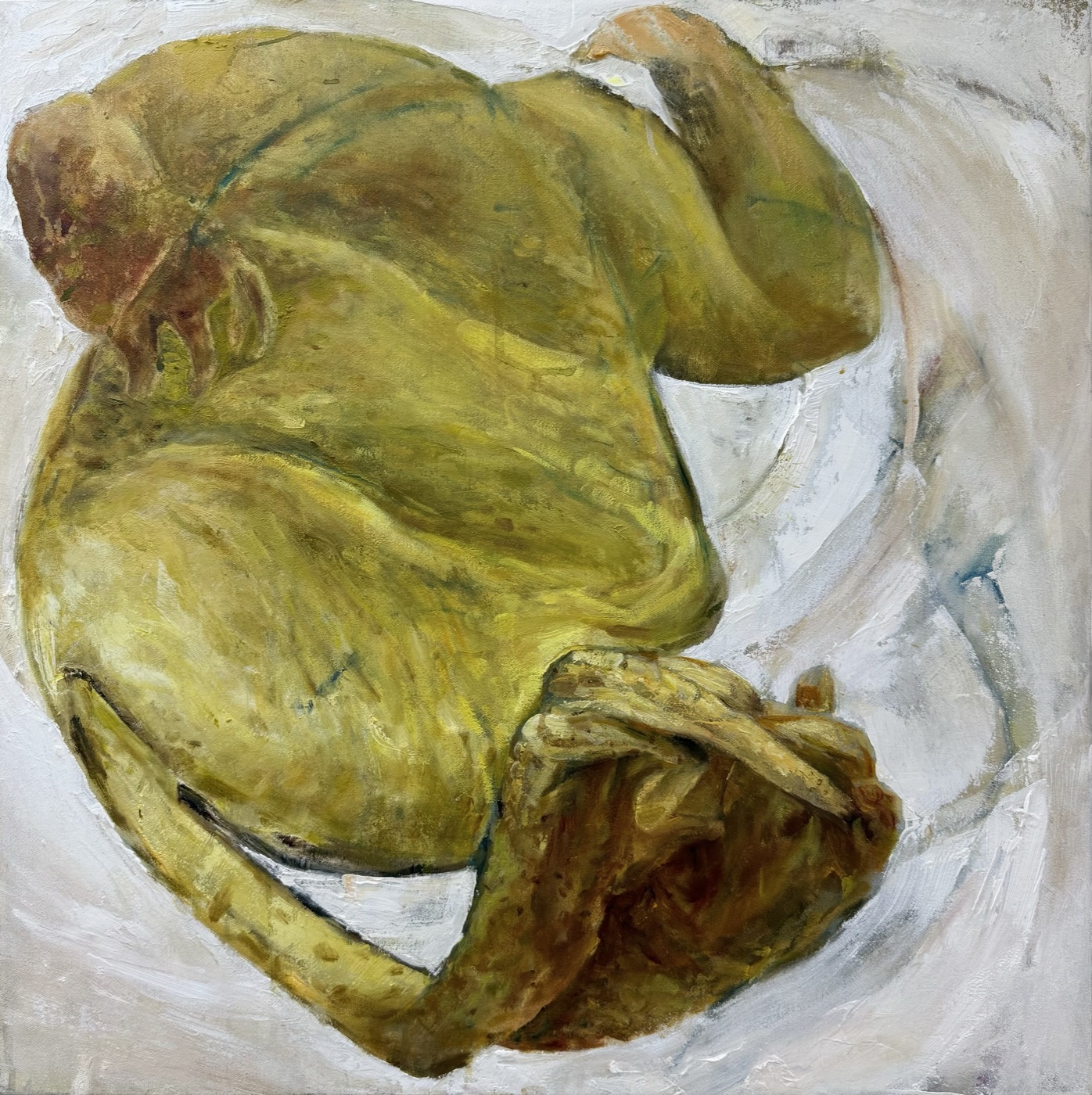
em conserva - 2
- Title in English
- preserved - 2
- Artist
- Chiko
- Medium
- Oil on canvas
- Dimensions
- 60 × 60 cm
- Year
- 2026
-
Bill benção, 2024 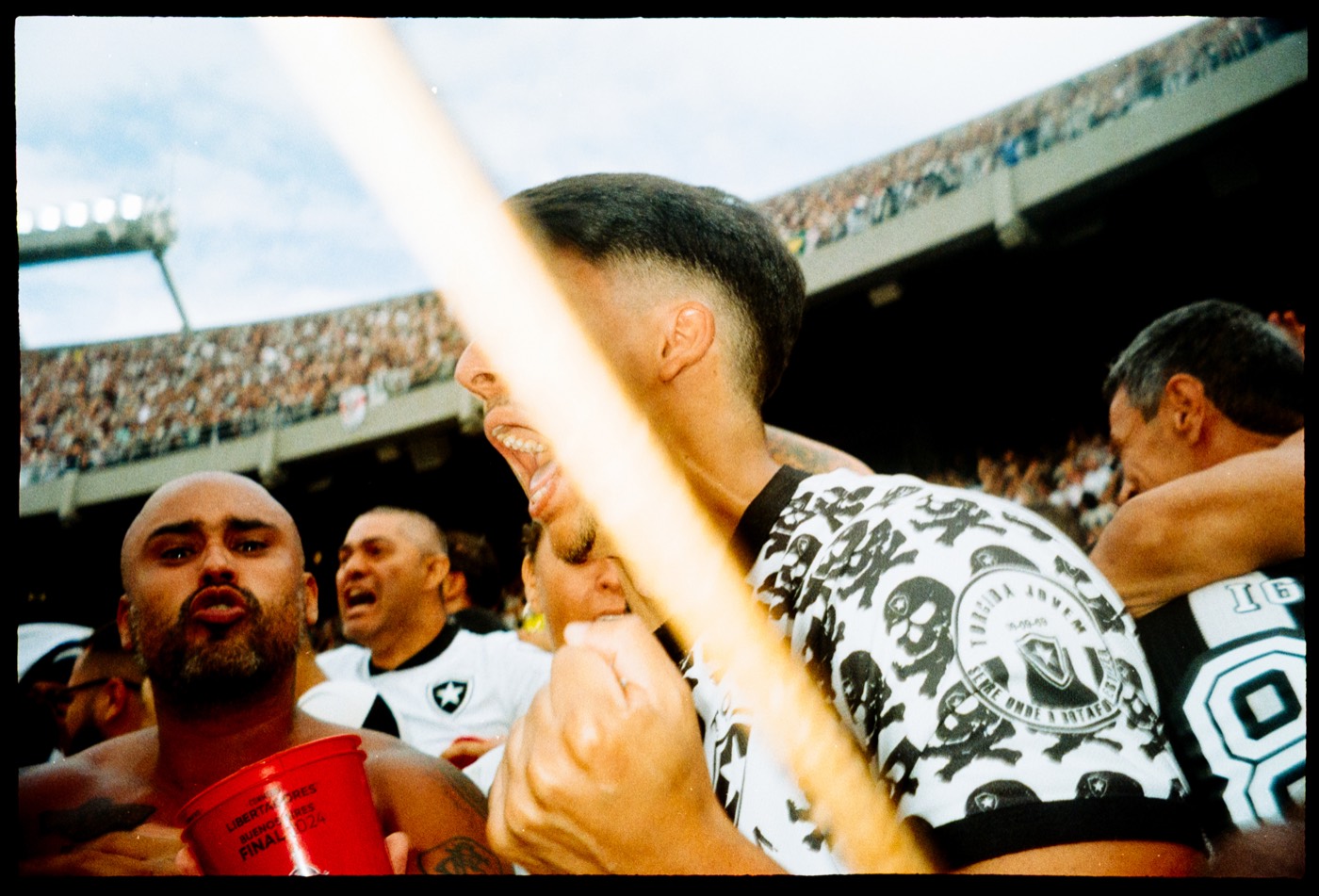
benção,
- Title in English
- blessing,
- Artist
- Bill
- Series
- ninguém cala (no one falls silent)
- Medium
- Analogue photograph
on Hahnemühle Photo Rag Pearl - Dimensions
- 60 × 45 cm
- Where and when
- Núñez, 2024
- Frame
- Thin dark aluminium profile
-
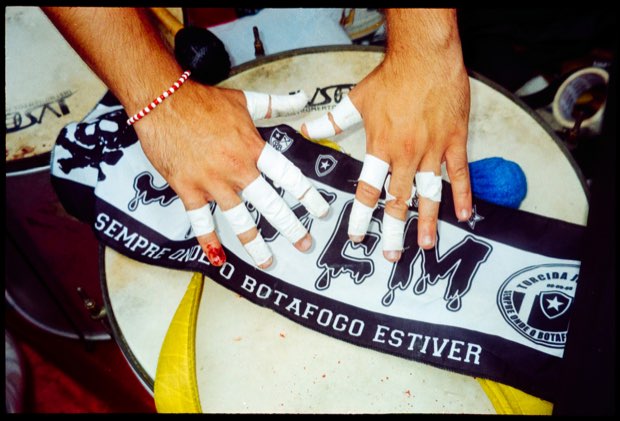
Bill autoflagelo 2024 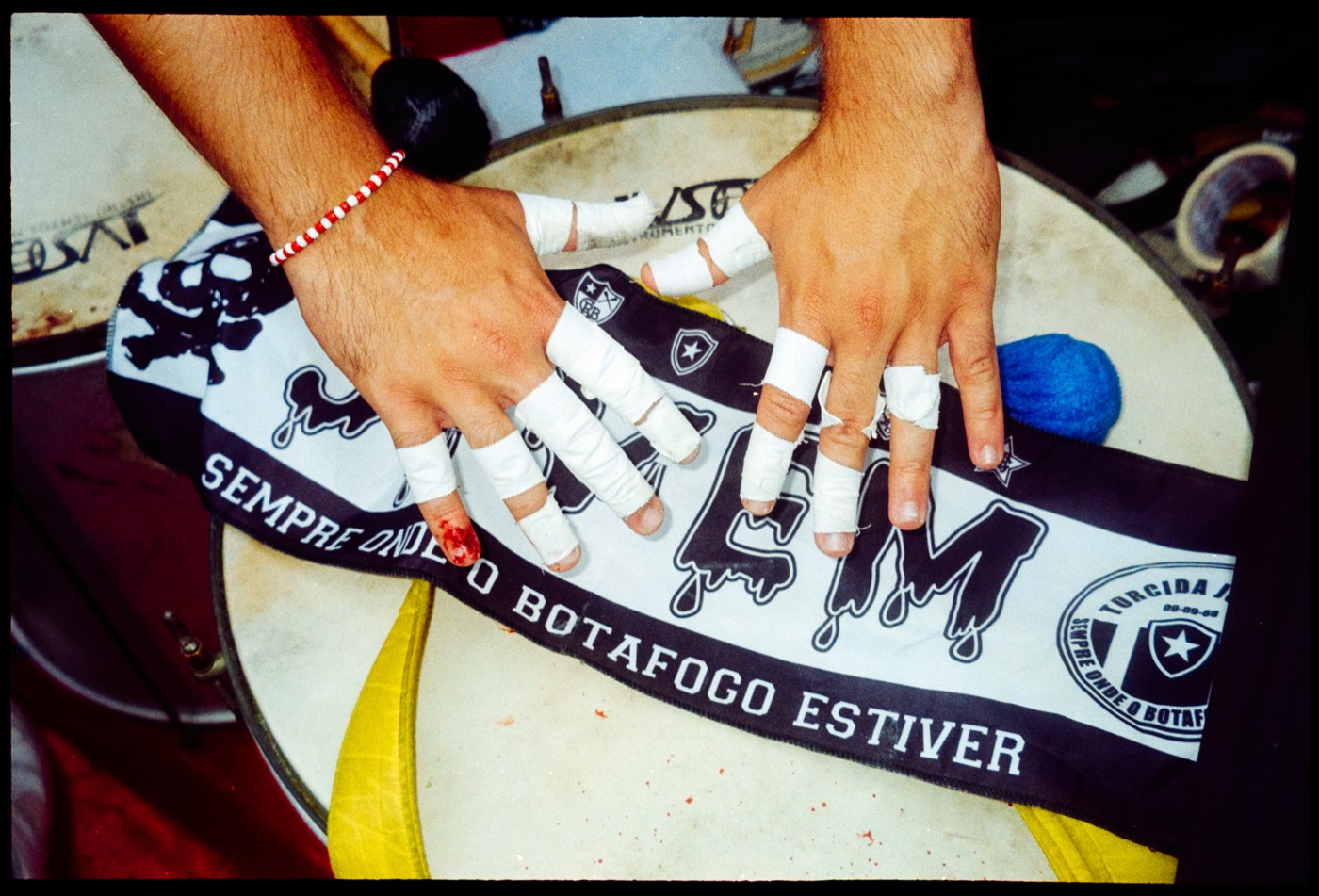
autoflagelo
- Title in English
- self-flagellation
- Artist
- Bill
- Series
- ninguém cala (no one falls silent)
- Medium
- Analogue photograph
on Hahnemühle Photo Rag Pearl - Dimensions
- 60 × 45 cm
- Where and when
- Núñez, 2024
- Frame
- Thin dark aluminium profile
-
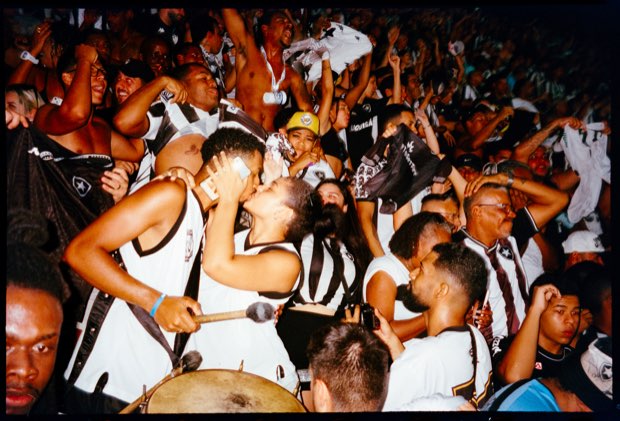
Bill caveira também ama 2024 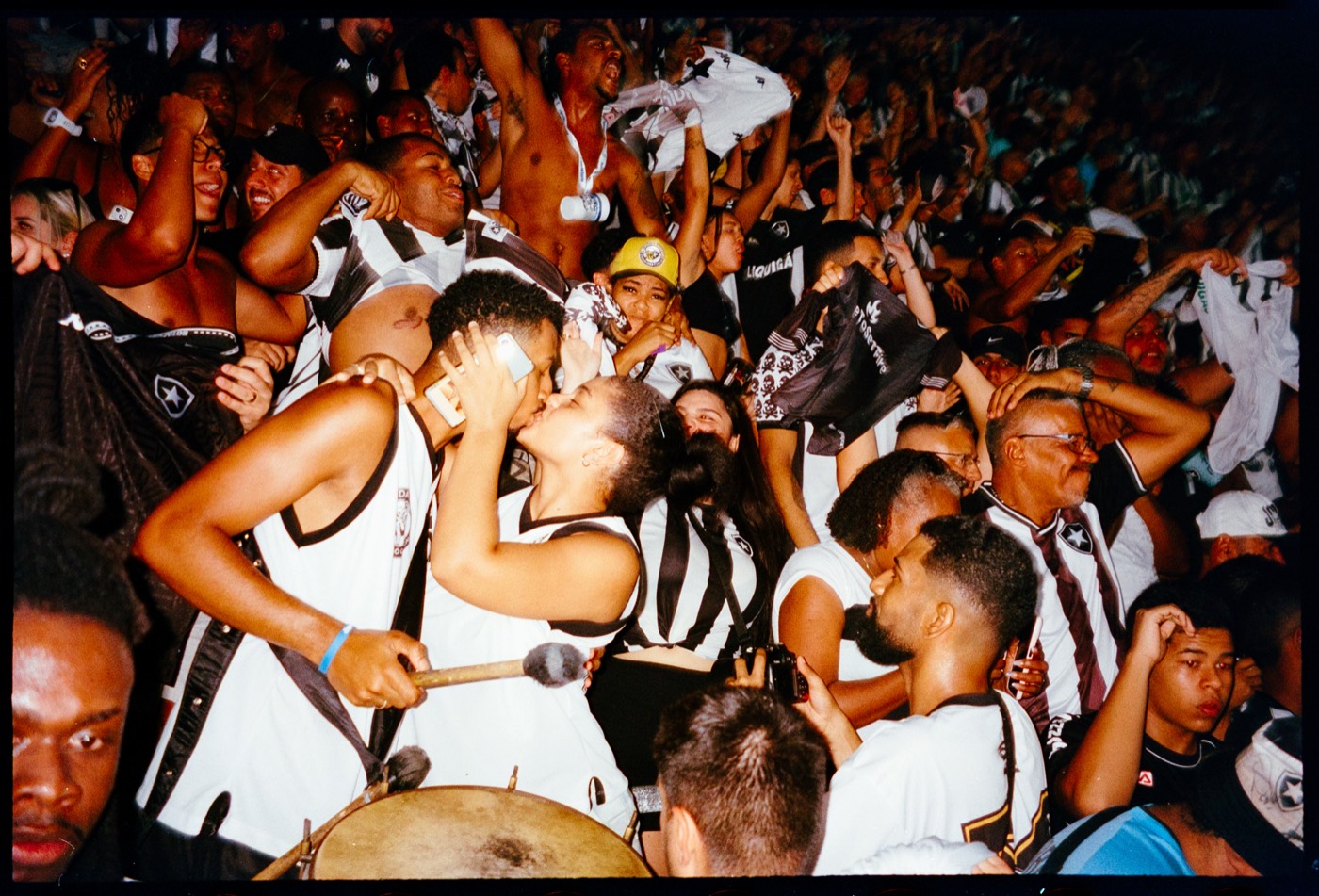
caveira também ama
- Title in English
- the skull loves too
- Artist
- Bill
- Series
- ninguém cala (no one falls silent)
- Medium
- Analogue photograph
on Hahnemühle Baryta Satin - Dimensions
- 60 × 45 cm
- Where and when
- Engenho de Dentro, 2024
- Frame
- Thin dark aluminium profile
-
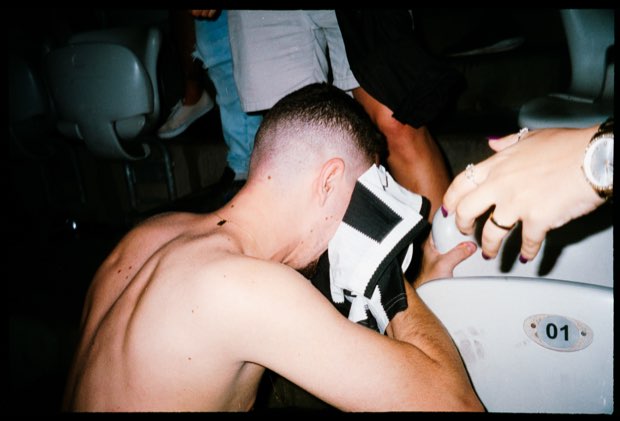
Bill bola parada 2024 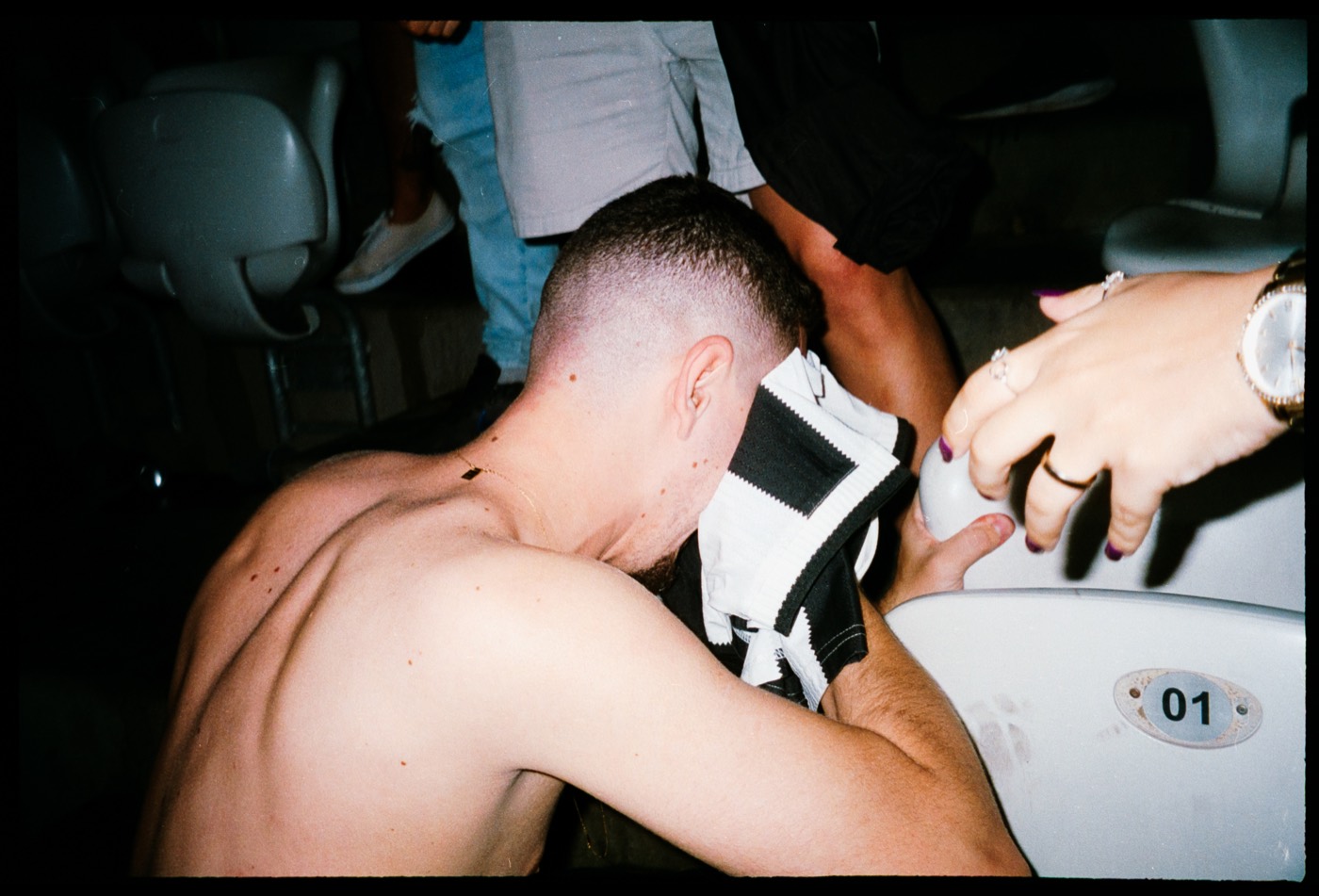
bola parada
- Title in English
- set piece
- Artist
- Bill
- Series
- ninguém cala (no one falls silent)
- Medium
- Analogue photograph
on Hahnemühle Photo Rag Pearl - Dimensions
- 60 × 45 cm
- Where and when
- Maracanã, 2024
- Frame
- Thin dark aluminium profile
-
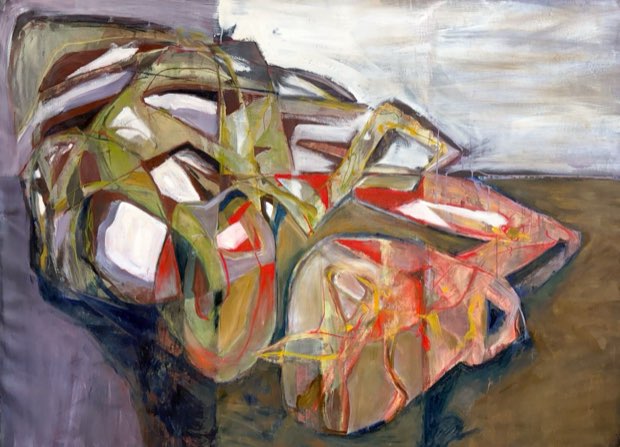
Chiko Teia do pensamento entre árvores e órgãos 2026 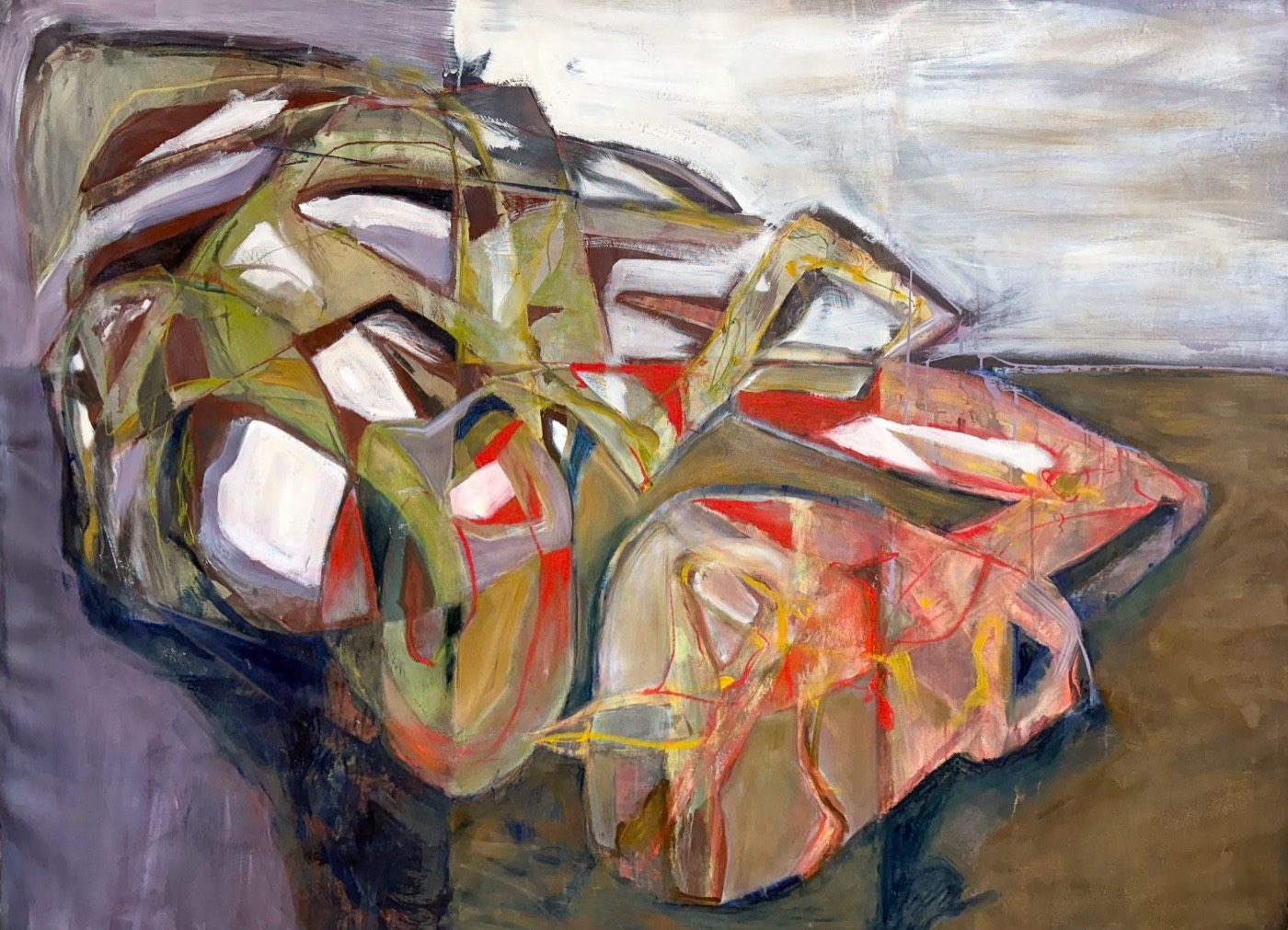
Teia do pensamento entre árvores e órgãos
- Title in English
- Web of thought between trees and organs
- Artist
- Chiko
- Medium
- Oil paint and soft pastel on canvas
- Dimensions
- 125 × 165 cm
- Year
- 2026
-
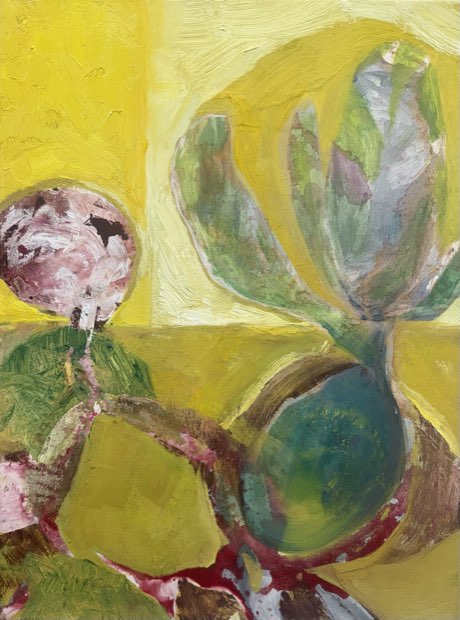
Chiko Sem título 2026 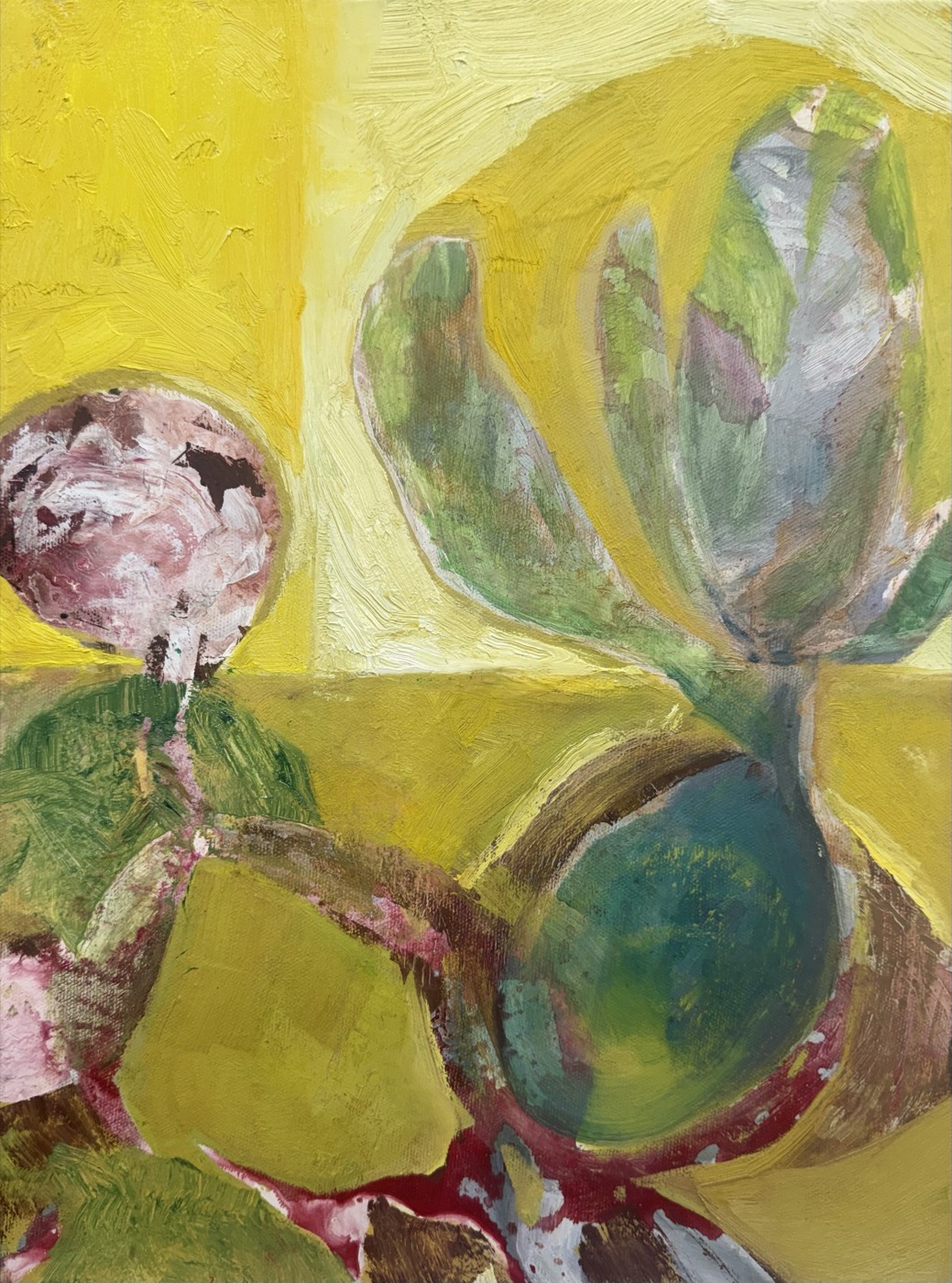
Sem título
- Title in English
- Untitled
- Artist
- Chiko
- Medium
- Oil on canvas
- Dimensions
- 40 × 30 cm
- Year
- 2026
-
Chiko Sem título 2026 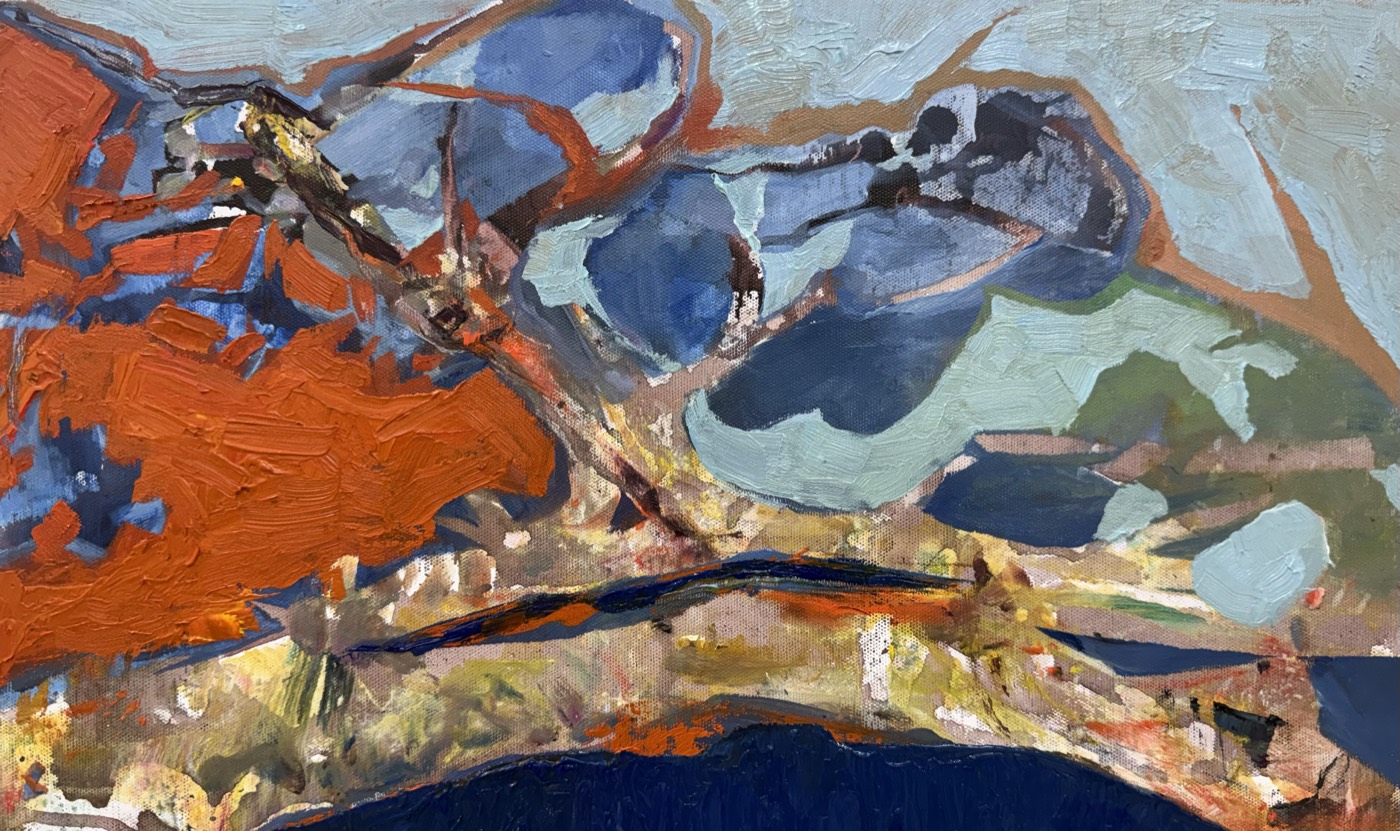
Sem título
- Title in English
- Untitled
- Artist
- Chiko
- Medium
- Oil on canvas
- Dimensions
- 50 × 30 cm
- Year
- 2026
-
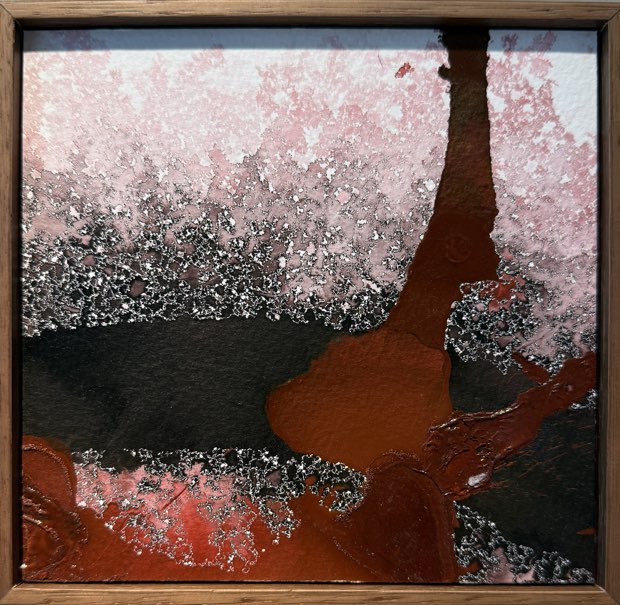
Luis acaso I 2026 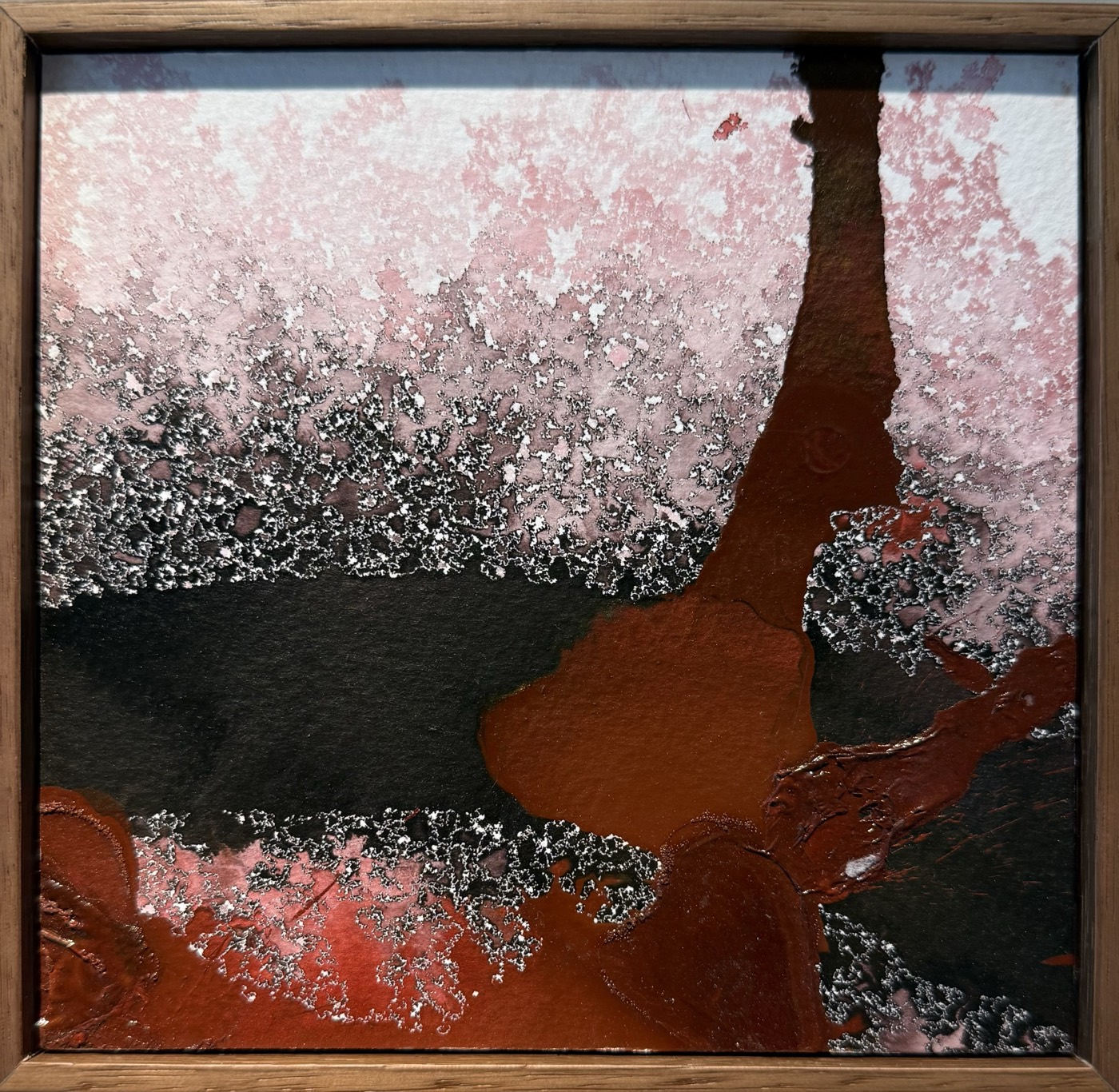
acaso I
- Title in English
- chance I
- Artist
- Luis
- Medium
- India ink on paper
- Dimensions
- 20 × 9 cm
- Year
- 2026
-
Luis acaso II 2026 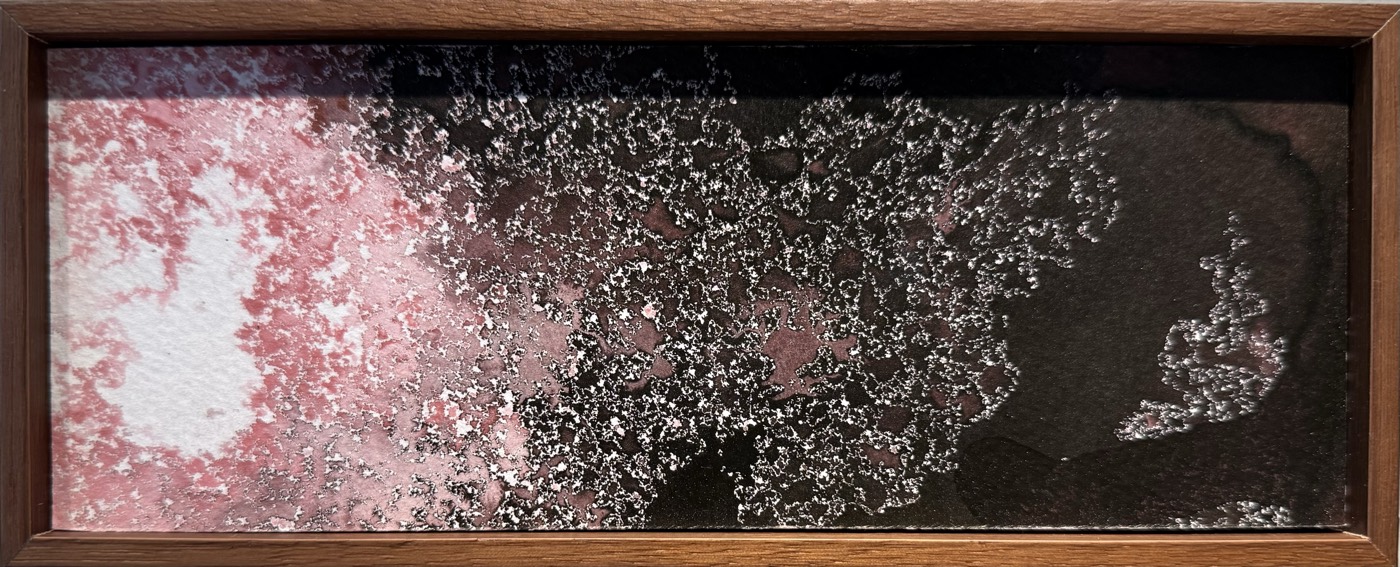
acaso II
- Title in English
- chance II
- Artist
- Luis
- Medium
- India ink on paper
- Dimensions
- 20 × 9 cm
- Year
- 2026
-
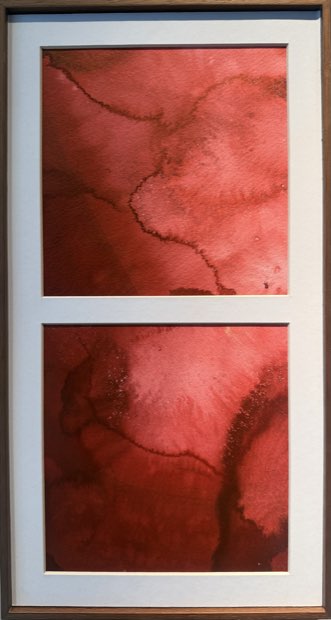
Luis acaso III & IV 2026 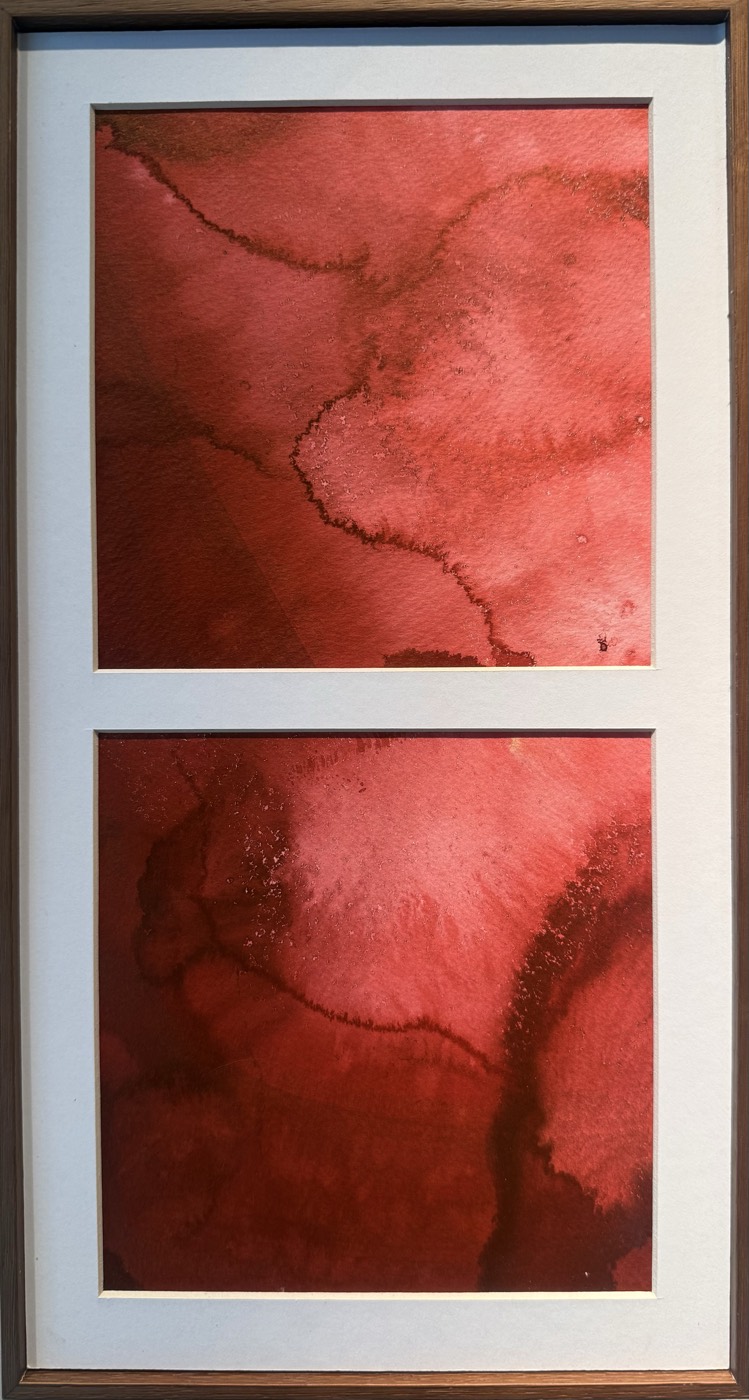
acaso III & IV
- Title in English
- chance III & IV
- Artist
- Luis
- Medium
- India ink on paper
- Dimensions
- 36 × 20 cm
- Year
- 2026
Book a visit
The opening on the 12th and the closing on the 27th are open to the public, just come by. On other days, book your visit below.